In 1066 one battle rewrote the fate of England’s crown,
on the fields of Hastings where King Harold was struck down,
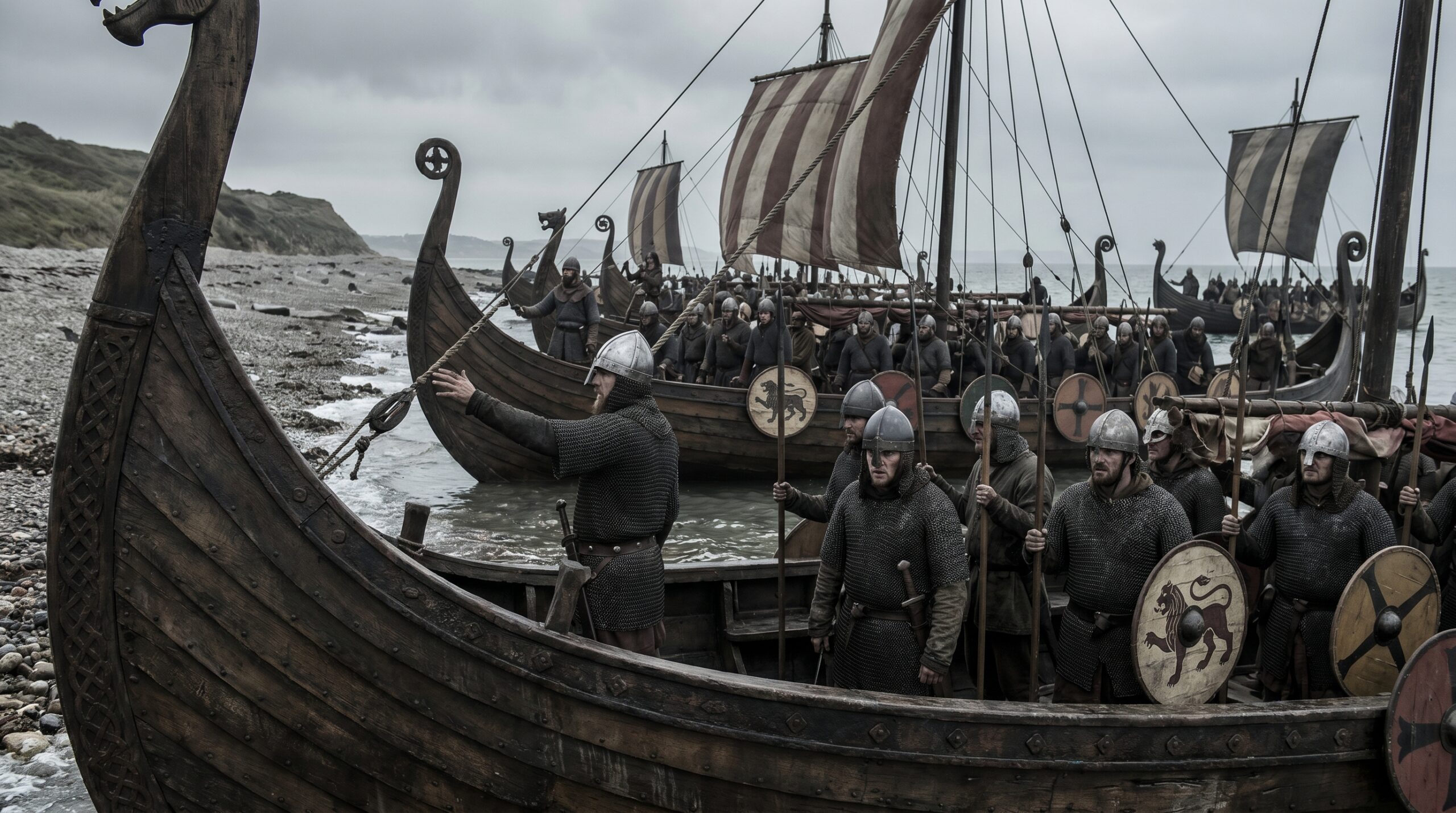
William of Normandy crossed the sea with force and claim,
a duke who fought for power, land, and everlasting name,
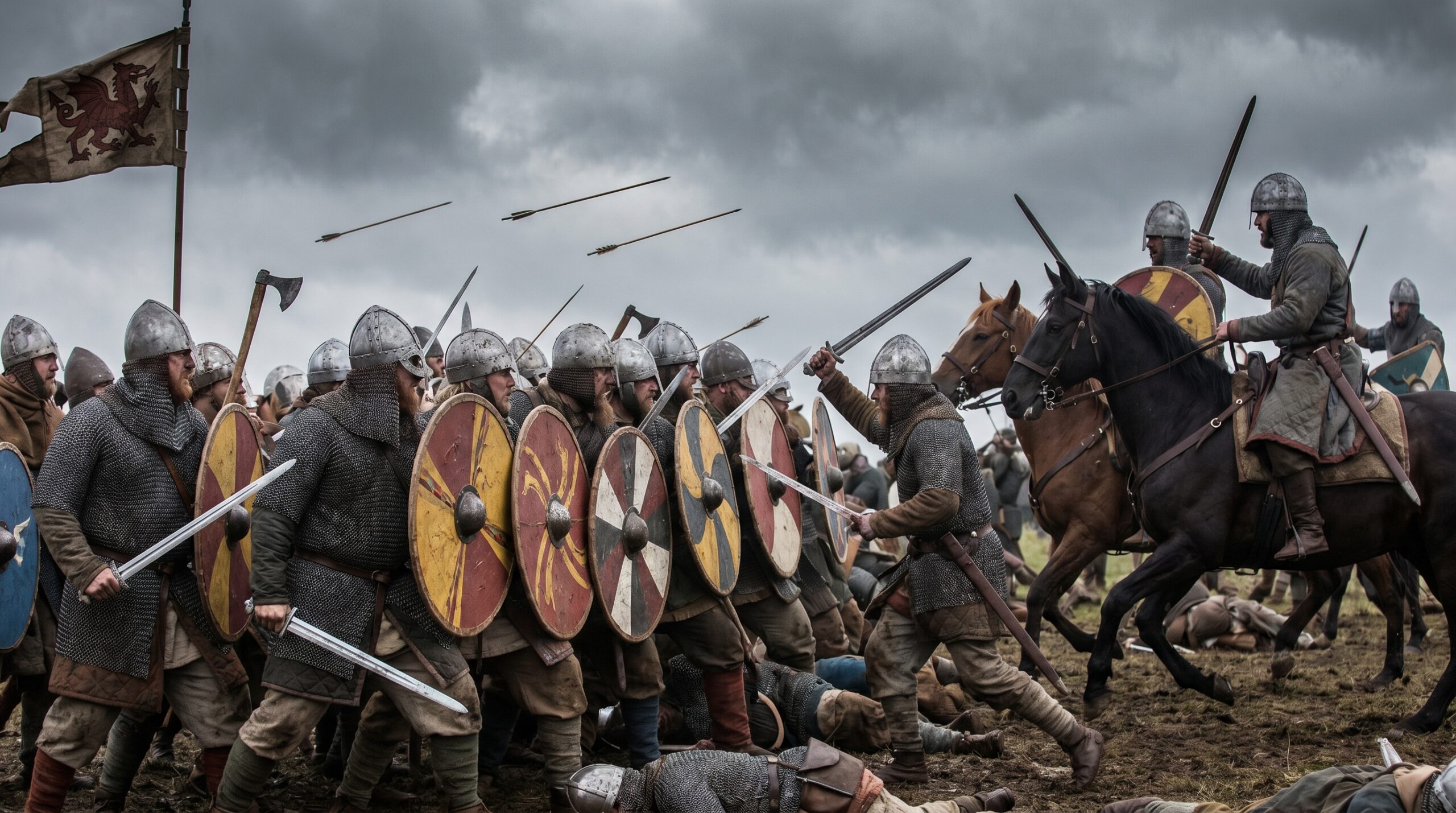
shield walls clashed and arrows fell as armies met in fight,
the turning point came swiftly in the chaos of the fight,
Harold fell in battle and the throne was left behind,
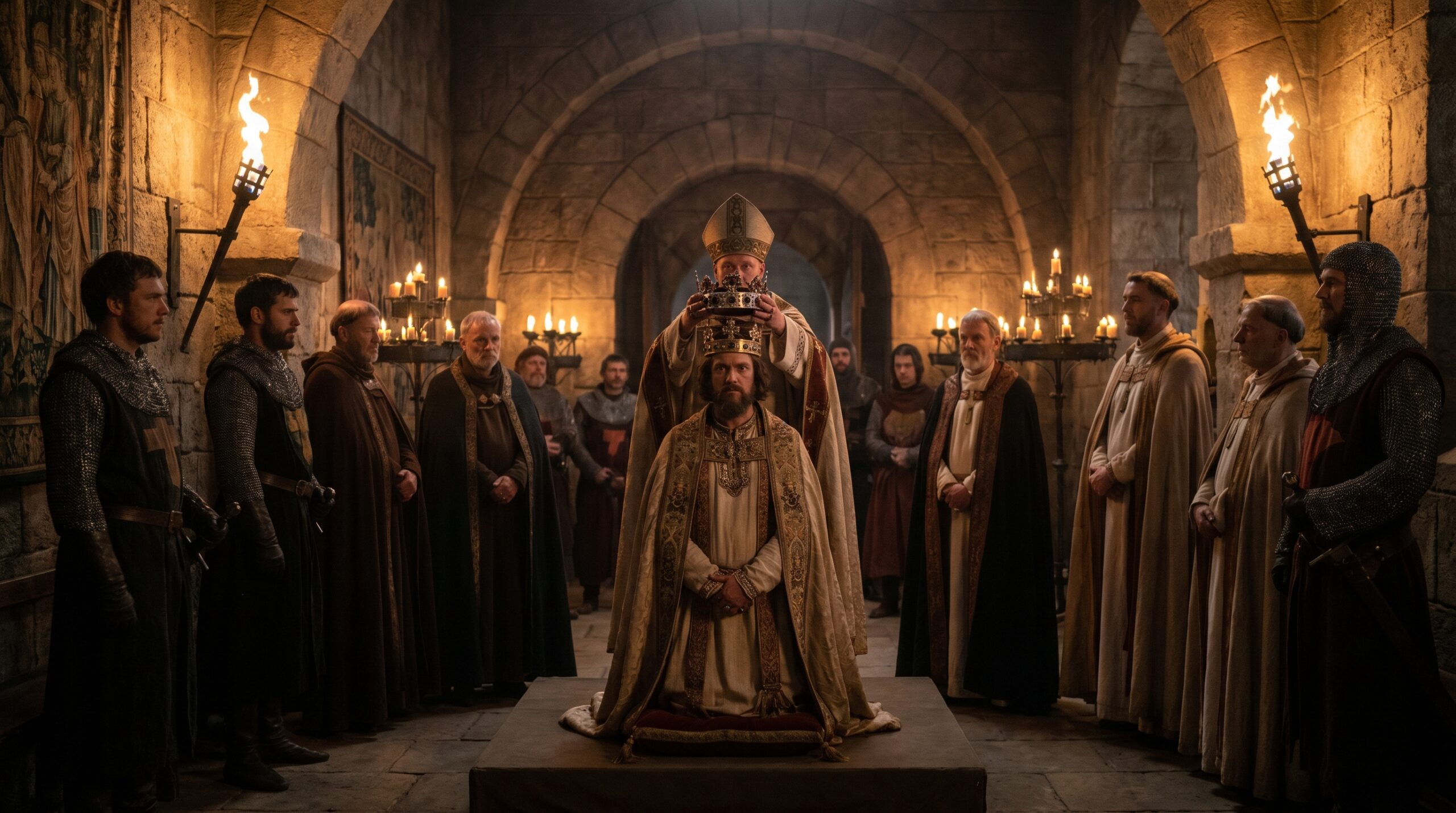
William marched to London and was crowned to rule the land,
a conquest that reshaped the nation’s power, law, and name.
The Battle of Hastings took place in 1066, a year that would permanently change the course of English history. Following the death of King Edward the Confessor, a power struggle emerged over who would claim the throne of England. This uncertainty set the stage for one of the most significant invasions in British history.
Harold Godwinson, an Anglo-Saxon noble, was crowned king shortly after Edward’s death. However, his claim was contested by William, Duke of Normandy, who believed he had been promised the throne. This disagreement quickly escalated into a full-scale conflict.
William gathered an army and crossed the English Channel, landing on the southern coast of England. His forces were well-prepared and determined, made up of knights, archers, and infantry. This marked the beginning of the Norman invasion.
The Battle of Hastings took place in 1066, a year that would permanently change the course of English history. Following the death of King Edward the Confessor, a power struggle emerged over who would claim the throne of England. This uncertainty set the stage for one of the most significant invasions in British history.
Harold Godwinson, an Anglo-Saxon noble, was crowned king shortly after Edward’s death. However, his claim was contested by William, Duke of Normandy, who believed he had been promised the throne. This disagreement quickly escalated into a full-scale conflict.
William gathered an army and crossed the English Channel, landing on the southern coast of England. His forces were well-prepared and determined, made up of knights, archers, and infantry. This marked the beginning of the Norman invasion.
The Battle of Hastings took place in 1066, a year that would permanently change the course of English history. Following the death of King Edward the Confessor, a power struggle emerged over who would claim the throne of England. This uncertainty set the stage for one of the most significant invasions in British history.
Harold Godwinson, an Anglo-Saxon noble, was crowned king shortly after Edward’s death. However, his claim was contested by William, Duke of Normandy, who believed he had been promised the throne. This disagreement quickly escalated into a full-scale conflict.
William gathered an army and crossed the English Channel, landing on the southern coast of England. His forces were well-prepared and determined, made up of knights, archers, and infantry. This marked the beginning of the Norman invasion.